Multifamily Property Analysis: The Complete Due Diligence Checklist
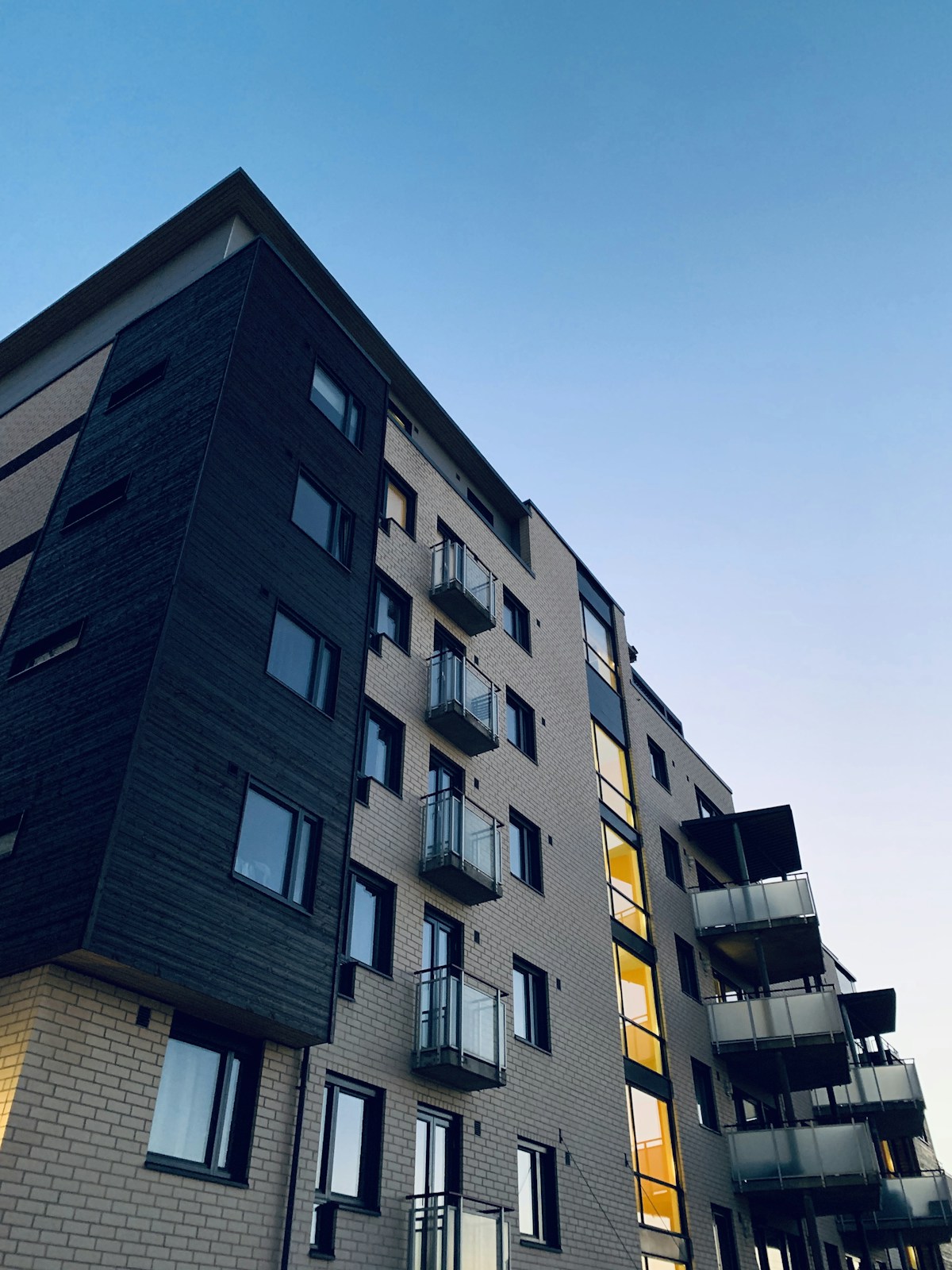
Multifamily properties (5+ units) are valued differently than single-family homes. They're commercial real estate, which means lenders, buyers, and investors use completely different metrics. Here's the professional framework for analyzing apartment buildings and small multifamily deals.
Why Multifamily is Different
Single-Family Valuation
Based on comparable sales ("comps"). What did similar houses sell for recently?
Multifamily Valuation
Based on income (NOI). How much profit does the property generate?
This is critical: You can force appreciation on multifamily properties by increasing income or reducing expenses. You can't do that with single-family homes.
Step 1: Verify the Rent Roll
The rent roll is the most important document. It shows every unit, current tenant, lease terms, and actual rent collected.
Red Flags to Watch For:
- • Month-to-month tenants (not locked into leases = risky)
- • Recent rent increases right before sale (inflated income)
- • Below-market rents with no explanation (deferred rent increases or problem units)
- • Multiple vacant units (why can't they rent them?)
- • Tenants related to owner (sweetheart deals that will end)
Step 2: Calculate True Net Operating Income (NOI)
NOI = Gross Potential Rent - Vacancy - Operating ExpensesDon't trust the seller's NOI. Rebuild it yourself from actual records.
Analyze Last 3 Years of Operating Statements
- Request: P&L statements, tax returns, and bank statements
- Look for: Trending increases in expenses (insurance, property taxes, maintenance)
- Verify: Actual expenses match what the seller provided in the offering memorandum
- Adjust: Add expenses the seller isn't currently paying but you will (management, deferred maintenance, etc.)
Step 3: Expense Ratio Analysis
Calculate the Operating Expense Ratio to spot abnormally low expenses:
Expense Ratio = Operating Expenses ÷ Gross Operating IncomeTypical Expense Ratios:
- • Class A properties: 35-40%
- • Class B properties: 40-50%
- • Class C properties: 45-55%
If expense ratio is below 35%: The seller is either lying or deferring maintenance. Budget for the real number.
Step 4: Physical Inspection Priorities
Hire a commercial inspector, but also check these yourself:
🏗️ Roof Condition
Replacing a roof on a 20-unit building = $80,000-$150,000. Get a roof cert. How many years left?
🔥 HVAC Systems
Individual units or central? Age of equipment? Budget $5,000-$8,000 per unit replacement.
💧 Plumbing
Galvanized pipes? Cast iron sewer lines? Both = expensive replacements coming soon.
⚡ Electrical Panel
200 amp service? Properly sized for all units? Code violations?
🏢 Building Envelope
Foundation cracks, water intrusion, parking lot condition, landscaping drainage.
Step 5: Market Rent Analysis
Can you raise rents? This is where you make money in multifamily.
- Pull rent comps for 10+ comparable properties within 1 mile
- Compare unit mix (1BR, 2BR, 3BR) and amenities
- Calculate $ per square foot rent for apples-to-apples comparison
- If current rents are 10-20% below market, you have upside
- If already at market rate, value-add through amenities or unit upgrades
Step 6: Debt Service Coverage Ratio (DSCR)
Commercial lenders require minimum DSCR of 1.20-1.25. This ensures the property generates enough income to cover the mortgage.
DSCR = Net Operating Income ÷ Annual Debt ServiceExample: NOI of $120,000 ÷ Annual Mortgage of $96,000 = 1.25 DSCR ✓
Analyze Multifamily Deals Faster
Professional multifamily analysis requires checking 50+ data points across rent rolls, operating statements, market comps, and physical condition.
Use prodd.ai to analyze multifamily properties instantly - NOI verification, expense ratio analysis, market rent comps, cap rate calculation, and value-add opportunities identified automatically.
Complete Due Diligence Checklist
Documents to Request:
- ✓ Rent roll (last 12 months)
- ✓ Last 3 years of tax returns
- ✓ Operating statements (3 years)
- ✓ Current leases for all units
- ✓ Property tax bills
- ✓ Insurance policies
- ✓ Utility bills (12 months)
- ✓ Maintenance records
- ✓ Capital expenditure history
- ✓ Tenant applications & screening
- ✓ Inspection reports (roof, HVAC, etc.)
- ✓ Survey and title work
- ✓ Zoning compliance
- ✓ Environmental reports
The Bottom Line
Multifamily properties offer forced appreciation through operational improvements—but only if you buy right. Verify every number, inspect every system, and rebuild the pro forma from scratch. The sellers who provide the most detailed records are usually the ones with nothing to hide.
Analyze Multifamily Properties Like a Pro
Get instant NOI analysis, rent comps, and value-add opportunities for any multifamily property.
Start Analysis